Pabalat, or also known as Borlas de Pastillas, is a traditional Filipino paper-cutting art originating from Bulacan, where delicately hand-cut colored Japanese paper is used to create decorative wrappers for pastillas, a type of milk candy. This craft transforms simple paper into intricate designs that reflect Filipino cultural heritage and artistry. Pabalat is both a symbol of creativity and a cherished practice tied to local celebrations and history.
The exact origins of pabalat in the Philippines are undocumented. However, Nanay Luz and local historians suggest it may have been influenced by Chinese papercutting traditions brought by Chinese merchants. Others propose it could be an offshoot of Mexico’s papel picado, introduced through the Manila-Acapulco Galleon Trade.
Variations in pabalat-making exist across Bulacan. In San Miguel, a stencil is typically used to trace patterns onto the paper, while in Malolos, artisans prefer freehand techniques, crafting designs spontaneously without stencils.
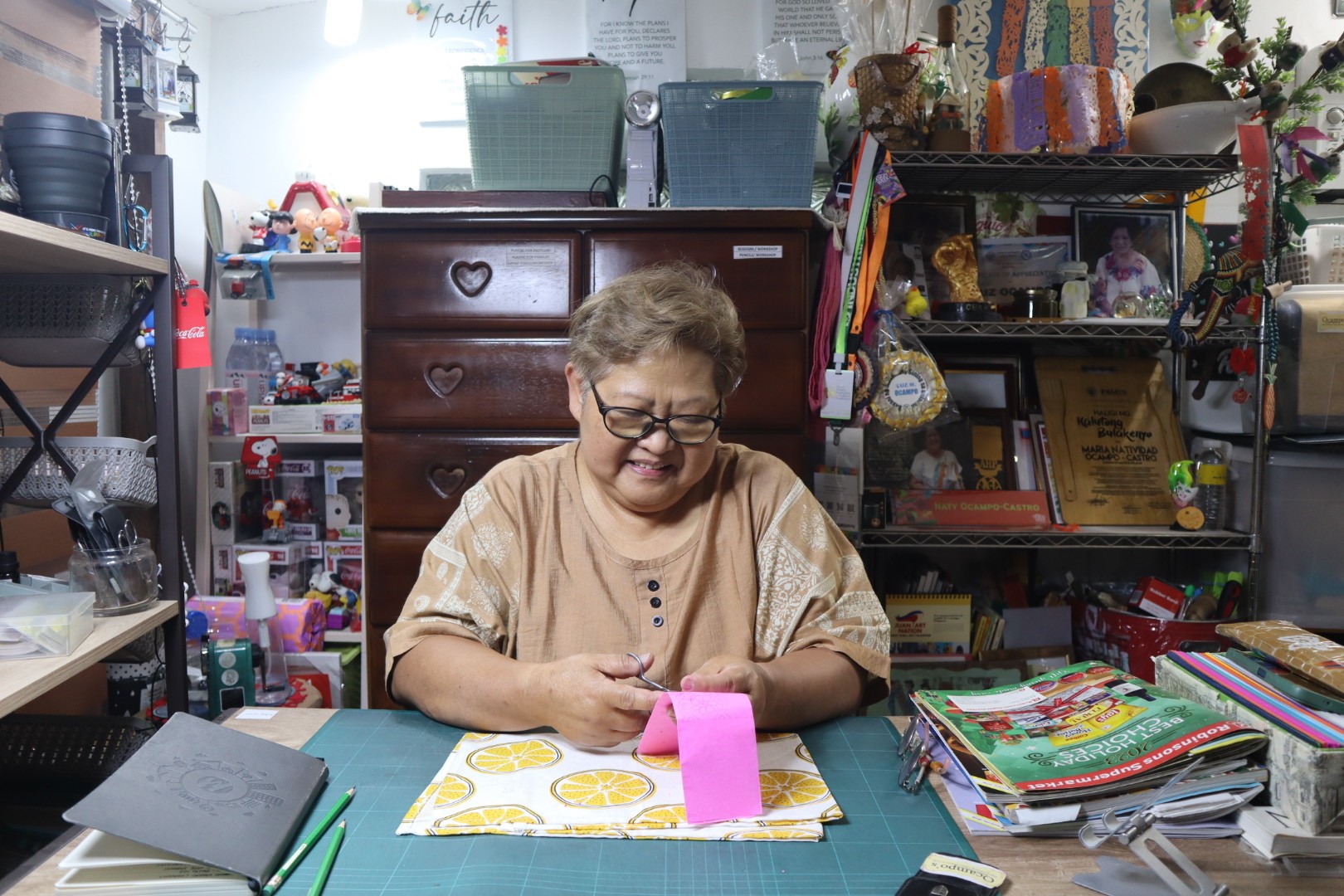
Pabalat
Pabalat, or also known as Borlas de Pastillas, is a traditional Filipino paper-cutting art originating from Bulacan, where delicately hand-cut colored Japanese paper is used to create decorative wrappers for pastillas, a type of milk candy. This craft transforms simple paper into intricate designs that reflect Filipino cultural heritage and artistry. Pabalat is both a symbol of creativity and a cherished practice tied to local celebrations and history.
The exact origins of pabalat in the Philippines are undocumented. However, Nanay Luz and local historians suggest it may have been influenced by Chinese papercutting traditions brought by Chinese merchants. Others propose it could be an offshoot of Mexico’s papel picado, introduced through the Manila-Acapulco Galleon Trade.
Variations in pabalat-making exist across Bulacan. In San Miguel, a stencil is typically used to trace patterns onto the paper, while in Malolos, artisans prefer freehand techniques, crafting designs spontaneously without stencils.